Prevent and Reduce
Food Loss

Bringing knowledge and consensus to prevent and reduce Food Loss at the primary production stage.


Book a demo


The FOLOU Project

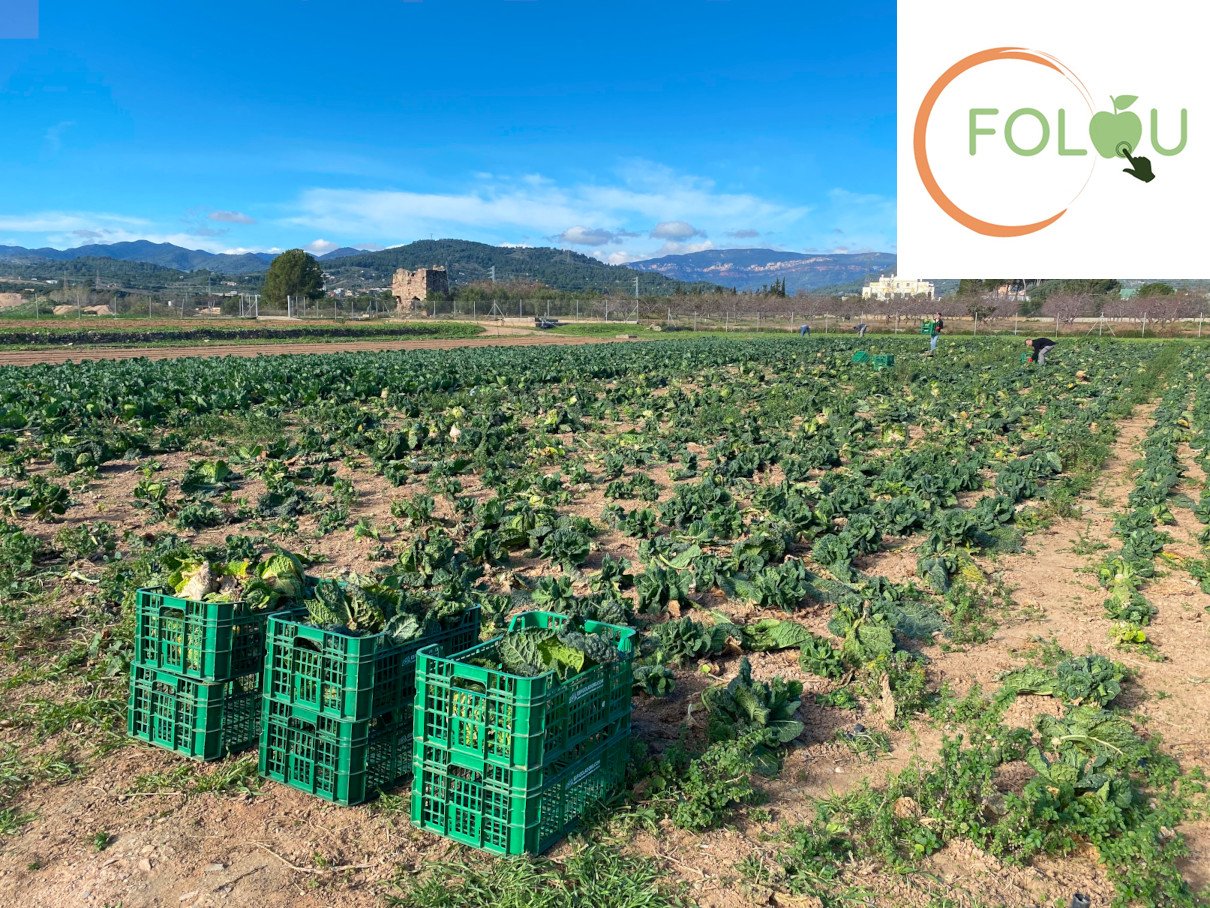
The FOLOU project – Bringing knowledge and consensus to prevent and reduce Food Loss at the primary production stage. Understanding, measuring, training and adopting – aims to prevent and reduce the amount of food intended for human consumption that is eventually lost.

Project co-funded by the European Commission under the Horizon Europe programme, 2023 - 2026.

logo_founded_by_european_union

Each year, a substantial amount of food loss (FL) is generated at the primary production stage; FL have negative
impacts on the society, contributing to food insecurity, depleting the environment, generating avoidable GHG emissions
and creating pressure on land and water. Currently, key challenges hampering the reduction of FL are: regulatory
challenges (e.g., exclusion of FL in the EU Commission Decision 2019/1597), technical challenges (e.g., lack of common
measurement methodology, lack of cost-effective measurement tools), scientific challenges (e.g., lack of understanding
of drivers) and social challenges (e.g., lack of skills of the different stakeholders involved). FOLOU is willing to contribute in overcoming these challenges, being the main objective of the project to set up the necessary mechanisms to:

  • measure and estimate food losses at primary production stage, encompassing agriculture, aquaculture, and fisheries;
  • monitor and report food losses at Member States and European levels;
  • assess the magnitude and impact of Food Losses, and identify its key drivers.

Additionally, FOLOU will also work to assure the appropriate knowledge transfer and adoption of the project outcomes by the key targeted stakeholders: primary producers, retailers, consumers, policy makers and researchers. FOLOU will structure its activities in a comprehensive action plan revolving around four levers of change:
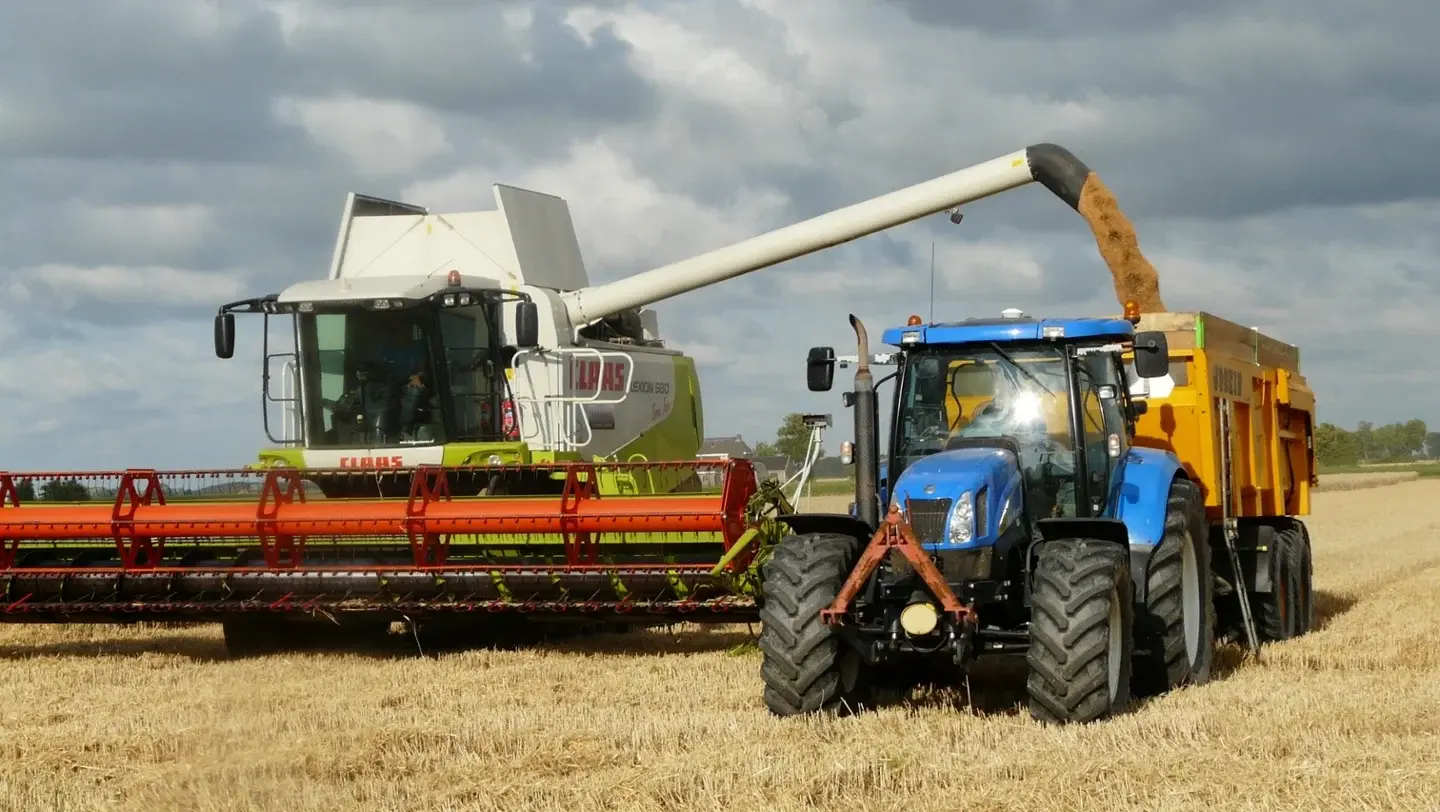
  1. Understanding by working on collecting and curing food losses available data, by understanding the drivers behind food losses and by assessing the impact of these losses;
  2. Measuring by developing new cost-effective tools for the measurement/estimation of food losses and a robust and harmonized quantification methodology for five main commodity groups;
  3. Training by providing tailored trainings to different stakeholders;
  4. Adopting by preparing recommendations and creating a twinning programme between frontrunner and followers regions.

Our activities


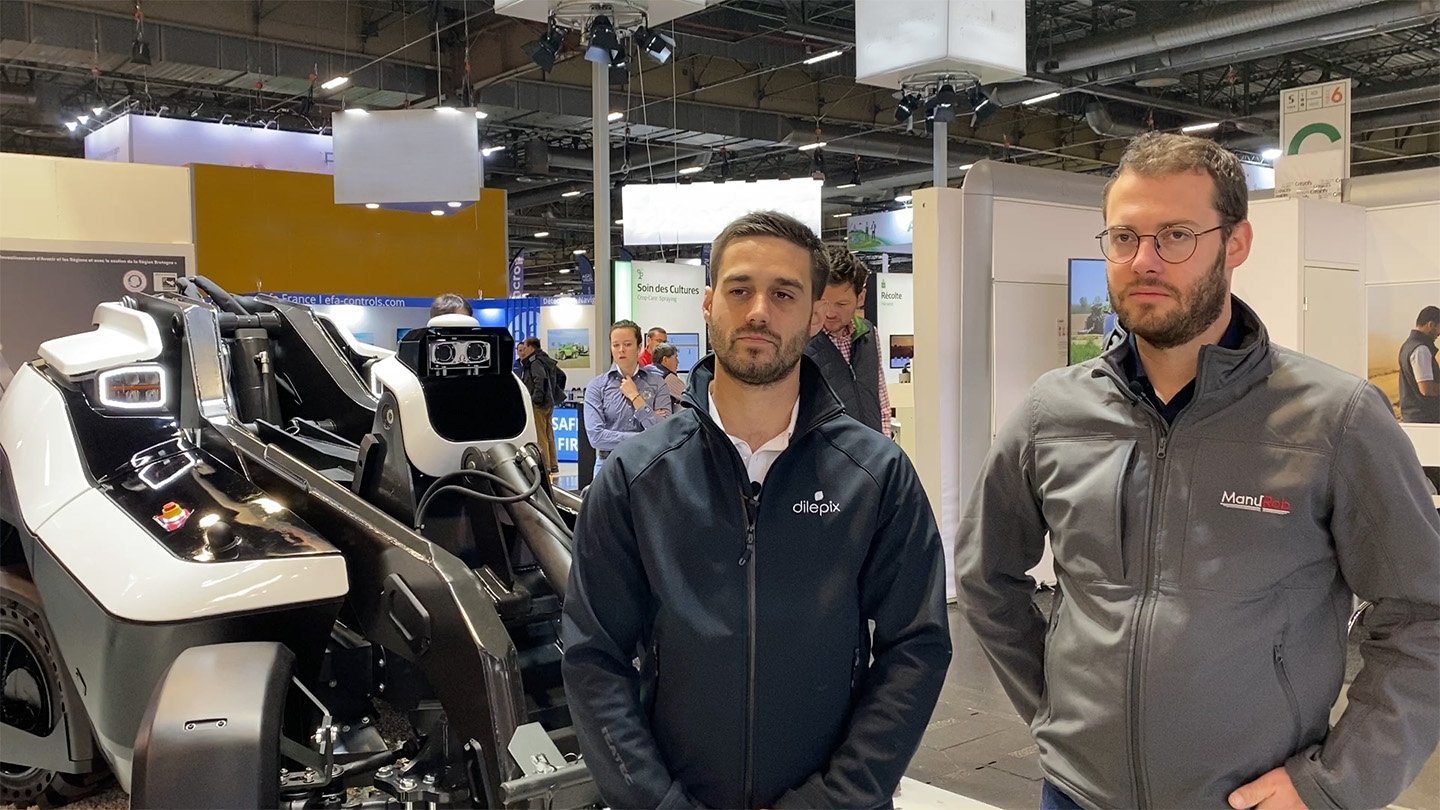
Dilepix is involved in a work package (WP) that has the objective to develop and validate innovative tools to measure and estimate food losses at the primary production stage. Specific objectives of this WP are the following: (i) Explore the feasibility of innovative methods for automated measurement and follow-up of food losses, and (ii) Develop strategies to implement these methods at regional and national levels.

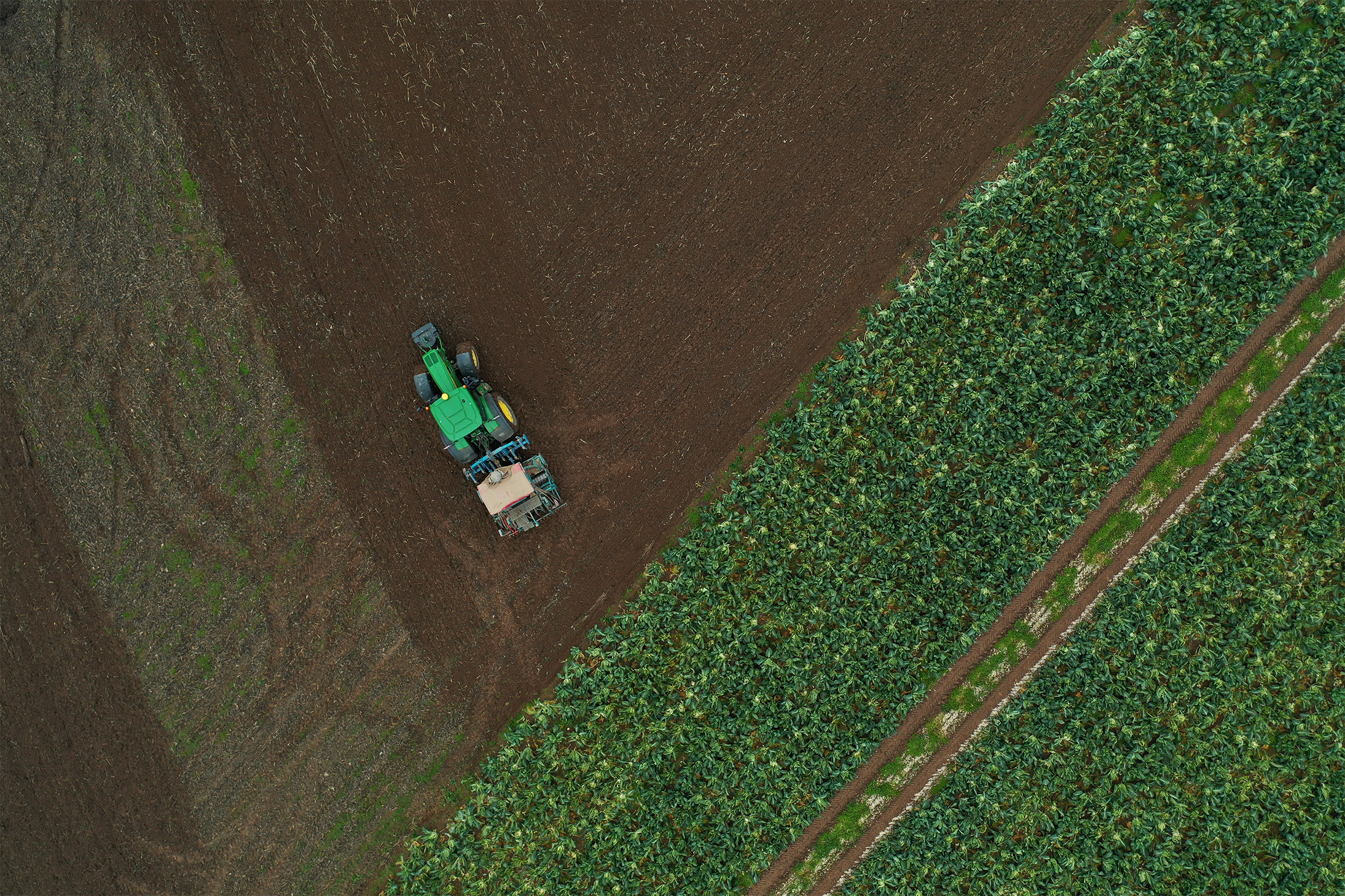
Current traditional methods for quantifying food loss at the primary sector (e.g surveys, direct measurement, etc.) are difficult, time-consuming and costly. Thus, there is a need to complement traditional methods with innovative ones that can facilitate/improve data collection on food loss at the primary sector. Six different innovative food loss measurement/estimation tools are tested in FOLOU, including our DILEPIX embedded on drones and tractors approach.

Partners

With a duration of 4 years, FOLOU gathers 16 multidisciplinary partners from 10 countries joining forces around a common challenge: Preventing and reducing the amount of food intended for human consumption that is eventually lost.

  • ACR+, Association of Cities and Regions for sustainable Resource management (BE)
  • UNIBO, ALMA MATER STUDIORUM -UNIVERSITA DI BOLOGNA (IT)
  • ESPIGOL, FUNDACIO ESPIGOLADORS (ES)
  • UGent, UNIVERSITEIT GENT (BE)
  • UNIVPM, UNIVERSITA POLITECNICA DELLE MARCHE (IT)
  • NORCE, NORCE NORWEGIAN RESEARCH CENTRE AS (NO)
  • DACC, Departament d'Acció Climàtica, Alimentació i Agenda Rural (ES)
  • ARC, AGÈNCIA DE RESIDUS DE CATALUNYA (ES)
  • CIRCE, FUNDACION CIRCE CENTRO DE INVESTIGACION DE RECURSOS Y CONSUMOS ENERGETICOS (ES)
  • DILEPIX, Dilepix (FR)
  • PROMAN, PROMAN MANAGEMENT GMBH (AT)
  • IMPACT, IMPACT (BE)
  • MIO-ECSDE, MEDITERRANEAN INFORMATION OFFICE FOR ENVIRONMENT, CULTURE AND SUSTAINABLE DEVELOPMENT ASSOCIATION (GR)
  • ULIM, UNIVERSITY OF LIMERICK (IE)
  • UREAD, THE UNIVERSITY OF READING (UK)

I have a project

I want to know more about field crop solutions

Let's talk about your project
Green Beans
Harvesting
Green Beans
More information

Dilepix' blog